

Keeping your home cool during Bendigo’s scorching summer months isn’t just about comfort—it’s about cost. As electricity prices continue to rise across Victoria, many homeowners are searching for practical ways to reduce their energy bills without compromising on indoor climate control. One of the smartest and most effective strategies is investing in regular Split System Air Conditioner Service. It’s not just about fixing problems when they arise it’s about preventing them and improving system efficiency.
Split systems are a popular choice in Bendigo homes due to their affordability and flexibility. However, like any appliance, they require proper care to perform at their best. Without routine maintenance, your unit could be working overtime, consuming more energy, and costing you more in the long run. From dirty filters to blocked coils, minor issues can quietly add up, leading to poor performance and higher bills.
This guide outlines the top 10 ways to save money while keeping your split system in excellent condition. Whether you’re booking a professional service or looking to take on some DIY maintenance, you’ll find practical tips tailored for the local climate and lifestyle. Read on to learn how small changes in usage, servicing, and setup can make a noticeable difference in your energy costs and long-term system health.
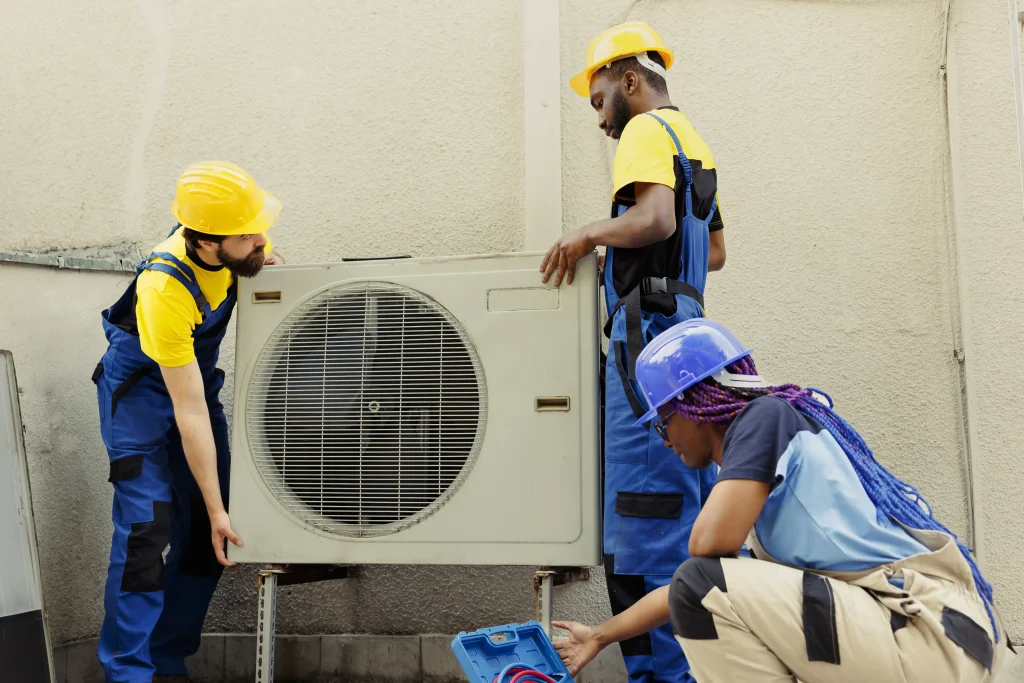
1. Keep Filters Sparkling Clean
Think of your split system’s filters as its lungs. A clogged filter is like breathing through a dirty sock – it forces the AC to work overtime, hiking your power bill. Check them monthly (at least quarterly) and wash or replace if dirty. Bendigo’s dust and summer smoke haze make this extra important. One local mate skipped cleaning all summer and by January his AC was almost blowing warm air – a quick $200 clean saved him a much bigger repair bill. Clean filters regularly – it’s a basic but powerful aircon maintenance tip.
A quick visual reminder: removing dust and debris makes a big difference. Here a local tech cleans an indoor unit. Even a simple wipe-down of the fins and coils lets cool air flow easily again, saving energy and preventing breakdowns.
Did you know? Regular cleaning can reduce energy usage by up to 15%, according to Energy.gov.au. It’s a small step with a big return.
2. Book Regular Tune-Ups
Think of your split system like a car – it needs an annual check-up. Aussie experts say service it at least once a year. Regular servicing catches small issues (like refrigerant leaks or loose parts) before they balloon into big bills. In short, a routine tune-up keeps the AC efficient and extends its life. Don’t wait until it breaks down in the middle of summer – a spring check-up will save a world of pain (and dollars).
A timely tune-up also cuts power use. A clean, properly charged AC cools faster and uses less energy. In fact, neglected systems can consume roughly 15% more power.
An annual professional service includes checking refrigerant levels, electrical connections, and motor performance—critical elements that directly affect energy efficiency and safety.
3. Time it Right: Seasonal Schedules
Timing is money. Service your AC before summer (late spring) and again after the peak heat season. An inspection in spring or autumn avoids January’s mad rush and often costs a bit less.
| Season | Recommended Action | Why It Saves Money |
| Spring | Book AC service (pre-summer tune-up) | Avoid breakdowns; get off-peak rates |
| Summer | Clean filters monthly; use fans/wind | Less AC runtime; every 1°C = ~5–10% less energy |
| Autumn | Service again; prep for winter heating | Off-season pricing; efficient for winter |
| Winter | Insulate and cover outdoor unit (if idle) | Reduce heat loss; catch issues early |
Seasonal scheduling also helps identify specific stress points, such as dust build-up from summer or condensation-related wear in winter, improving the overall performance lifecycle.
4. Mind the Thermostat (Every Degree Counts)
Cranking the AC to the max will make your wallet weep. Each 1°C higher on the thermostat saves roughly 5–10% energy. Aim for around 24–25°C to feel comfortable without overcooling.
Combine the AC with ceiling fans or portable fans – they use only a few cents an hour. Fans let you feel cooler even when the AC is set warmer. And at night, fling open the windows for the Bendigo breeze. Also, when you head out or to bed, turn off or set the AC’s timer. Why cool an empty house? These tweaks mean the AC runs less and your bills drop.
Thermostat discipline helps reduce compressor cycling, a major energy consumer, and extends the life of the entire system by reducing unnecessary workload.
5. Insulate, Shade & Seal
Your AC works hardest when it’s fighting heat gain. Good insulation and sealing gaps means cool air stays in. Shading your home and the outdoor unit prevents them from acting like ovens. Indeed, official advice notes that insulation and shading around your home boost efficiency.
In scorching Bendigo summers, plant trees or use awnings to block direct sun. Cover the outdoor unit in winter. Seal cracks around doors/windows and use curtains during hot days. These steps cut the AC’s workload and shrink your power usage.
Thermal improvements also help stabilise internal temperatures, allowing your AC to maintain comfort with fewer fluctuations and lower runtime.
6. Use Fans & Fresh Air
Don’t forget ceiling fans and windows. Fans cool rooms by ~3°C for pennies an hour. Use them in evenings/early mornings when Bendigo’s breeze kicks in instead of the AC. If the AC’s on, run a fan too – you’ll feel just as cool at a higher temperature. And when you head out or to bed, turn off or set the AC’s timer. Why cool an empty house? These tweaks mean the AC runs less and your bills drop.
Incorporating natural ventilation reduces dependency on mechanical cooling and can significantly lower indoor humidity, increasing comfort and system efficiency.
7. Check & Clean the Outdoor Unit
Keep the outdoor unit tidy. Clear leaves, grass and junk from around it. Gently hose off dirt and clean the coils (power off first!). Also inspect pipes and fins for damage. A clear, clean unit “breathes” easily, so your AC doesn’t waste energy battling debris.
These DIY checks are free and can spot issues early. Better to catch a refrigerant leak or loose part now than pay a big repair bill in summer.
Preventive cleaning of the condenser unit not only enhances airflow but also prevents overheating and maintains compressor health.
8. Call in the Pros (Smart Shopping)
Some jobs need a pro – like electrical checks or refrigerant topping. Always hire a licensed technician (ARC tick) to avoid shoddy work. A full service might cost around $100–$200, but that’s cheaper than an emergency repair later.
To save: get multiple quotes and ask about multi-unit or off-peak discounts. Lock in a spring/autumn service for better rates. Just avoid “too cheap to be true” offers – they often lead to bigger bills later.
| Service Task | What it involves | Typical Cost (AUD) | Benefit |
| Basic Service | Filter change, cleaning, checks | $100–$150 | Keeps efficiency high |
| Full System Service | Deep clean & adjustments | $150–$200 | Prevents breakdowns |
| Refrigerant Regas | Refill coolant (periodic) | $200–$400 | Restores full cooling power |
| DIY Filter Cleaning | Home cleaning of filters/vents | Free (DIY) | Immediately improves airflow |
Reference Resource: Learn how to find certified professionals and get maintenance checklists at Lookforthetick.com.au.
9. Keep or Upgrade Smartly
Is your AC old? Replacing it with a high-efficiency, correctly sized model might pay off. Newer 5-star units use far less power. If you upgrade, check the energy rating label—each extra star saves on bills.
If a new unit isn’t in the cards, maintain the current one. Fix leaks and regas when needed (~$200–$400 every 5–7 years). This squeezes maximum efficiency and life from what you’ve got.
Upgrading to modern units also provides advanced features like inverter technology, which adjusts power usage dynamically to reduce energy consumption.
10. Spread Costs & Plan Ahead
Set aside a bit each month so that an unexpected repair isn’t a bill shock. If servicing all your units at once is tough, split them over a couple of appointments. This way, you catch problems gradually and manage your budget.
How often should you service a split system? At least once a year (more if it’s older or heavily used). Also watch for “cheap aircon servicing Bendigo” deals in spring/autumn – even simple DIY care adds up to savings.
Planning and budgeting for routine care ensures you’re never caught out mid-summer, reducing emergency callouts and preserving household comfort year-round.
Conclusion
Well, there you have it – Bendigo-worthy hacks to keep your aircon and your wallet happy. Each tip above helps slice your cooling costs, and together they keep your home comfy without the bill shock. So don’t wait for the next heatwave – book that service and get those filters shining. Saving on AC bills here is all about being clever and prepared. Every little action (even DIY jobs) adds up to big bucks saved. After all, there’s nothing more Aussie than kicking back with a cold one while your AC quietly sips power – not cash. Stay frosty out there, Bendigo, and cheers to lower bills!
FAQs
How often should you service a split system air conditioner?
You should get your split system checked at least once a year. If you use it heavily (like in our long Bendigo summers) or notice issues (weird noises, reduced cooling), consider twice a year (spring and autumn) to stay ahead of wear.
What are some good aircon maintenance tips?
Keep filters clean (wash or replace them every few months) and clear the vents. Wipe down the evaporator coils and make sure the outdoor unit is free of dust, leaves and debris. Running ceiling fans with the AC and sealing gaps in your home also help it run efficiently.
How can I find cheap aircon servicing in Bendigo?
Check with local Bendigo HVAC companies – many run promotions in spring/autumn. Searching “cheap aircon servicing Bendigo” online can reveal group deals or local specials. Always compare quotes from licensed techs, and ask if they offer multi-unit or off-peak discounts to save money.

