
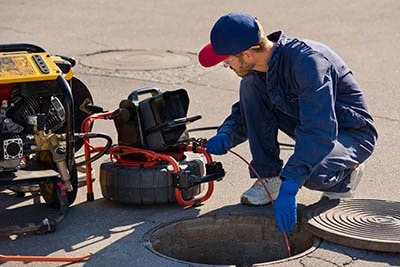
If you’re in Bendigo and your kitchen sink suddenly starts gurgling ominously, it’s a clear sign: something’s clogging up your pipes. Left unchecked, sewer blockages can turn into expensive headaches – even causing structural damage. I remember a Bendigo mate who ignored a slow drain until his toilet backed up during a summer BBQ. Not pleasant.
That’s why Sewer Blockage Clearing in Bendigo isn’t just about keeping water flowing; it’s about safeguarding your whole drainage system. In this article, we’ll explore how routine clearing of sewer blockages protects your pipes (and home) from serious harm, and what you can do about it today.
Why Sewer Blockage Clearing in Bendigo Matters
Blockages might start as a slow-draining sink or a faint odour near the bathroom, but beneath the surface, they can cause serious long-term damage. When wastewater gets trapped inside pipes, it encourages corrosion, leaks, and bacterial growth. Over time, this standing water can rust metal pipes and wear down older clay or concrete ones, shortening their lifespan.
Blocked drains also create the perfect conditions for mould and mildew to form. Moisture seeps into surrounding walls and floors, leading to damp patches, peeling paint, and unpleasant smells. Once mould takes hold, it’s tough to remove and can affect indoor air quality — especially during Bendigo’s cooler, wetter months.
Sewer Blockage Clearing in Bendigo plays a key role in preventing these issues. By keeping wastewater flowing smoothly, you reduce pressure buildup inside pipes and stop harmful bacteria or gases from accumulating. When water can move freely through the system, it helps maintain both the health of your drainage network and the hygiene of your home.
Environmental authorities across Australia, including Sydney Water, warn that ignoring small clogs or pouring fats and oils down the sink leads to hardened build-ups known as fatbergs — dense, waxy masses that can completely block underground sewers.
Once these form, they can restrict flow, cause unpleasant odours, and even push sewage back up into homes or streets during heavy rain.
In short, regular maintenance and timely sewer blockage clearing protect not only your pipes but also your property’s structure. Consistent care prevents leaks from seeping into foundations, reduces the risk of soil erosion, and helps keep your home dry and safe year-round.
- Avoid Flooding: Blocked sewers can push wastewater back into sinks, toilets, or outdoor drains. Clearing them ensures proper flow during storms and heavy rainfall.
- Reduce Repair Costs: Regular clearing prevents long-term damage like cracked pipes or foundation leaks, which are far more expensive to fix.
- Maintain Hygiene: Clear drains reduce the risk of mould, bacteria, and odours that can spread from stagnant wastewater.
By treating sewer blockage clearing in Bendigo as part of routine home care, you’re essentially protecting your property from hidden structural risks while keeping your plumbing system healthy and efficient.
Common Causes of Sewer Blockages
To stop clogs before they start, it helps to know what causes them. In Bendigo (or anywhere), typical culprits include grease, kitchen waste, hair and tree roots.
- Grease, Oils and Food Waste: Cooking oil and kitchen scraps thrown down the drain can solidify and cling to pipe walls. Sydney Water warns that grease cools, hardens, and mixes with waste to create blockages (often called “fatbergs”). Even a small drip of oil daily can lead to big build-ups. Tip: scrape plates into the bin and use a sink strainer.
- Hair and Soap Scum: Bathroom drains often clog from strands of hair and soap residue. Over time, these materials collect and form a sticky mass. The Relining Company notes that “hair in shower drains” and soap scum are common causes of stubborn clogs. A quick weekly clean of drain traps can prevent this.
- Flushing Non-Flushables: Items like baby wipes, cotton buds or dental floss don’t break down like toilet paper. These “unflushables” can jam up sewage lines. Sydney Water even publishes a guide of things never to flush (paper towels, wet wipes, etc.) because they accumulate in pipes.
- Tree Roots: Bendigo’s gardens are beautiful, but underground they can be a little mischievous. Tree roots naturally seek moisture and can find their way into the smallest cracks in old or damaged sewer pipes. Once inside, they expand and weave through the system, blocking the flow of wastewater.
Over time, this can lead to leaks, low water pressure, or even collapsed pipes. Homeowners with large gum trees or mature plants near sewer lines should consider periodic inspections to detect root growth early. - Shifting Soil and Infrastructure: Heavy rains or construction can displace ground soil. If buried pipes are jostled, joints can crack. When that happens, earth, sand or debris might squeeze into the line, creating a blockage.
Identifying these causes can help you avoid them. For example, planter boxes and mature trees should be away from sewer lines. Sydney Water recommends not planting trees or large shrubs within about 6 meters of your wastewater pipes. Preventive landscaping and mindful flushing habits are the first step in preventing clogs.
How Blockages Damage Your Drain (Even if You Don’t See It)
What exactly happens to a drain when it’s blocked? Sometimes the damage isn’t obvious until it’s severe. Here’s what lurks behind a clog:
- Increased Pipe Pressure and Cracks: When water can’t flow out, it presses hard on the pipe walls. Trenchless Innovations points out that excess pressure from blockages can eventually cause cracks in sewer pipes.
Think of it like leaving a blocked garden hose under pressure – eventually something gives. Those cracks let dirt in or sewage out, weakening the entire system. - Rust and Corrosion: Standing water is another hidden threat. When wastewater remains stagnant inside metal pipes, it accelerates corrosion and rust. Over time, this process thins the pipe walls, leading to leaks, weak spots, or complete pipe collapse. The problem often goes unnoticed until significant damage has already occurred, making early detection and clearing essential.
- Sinkholes and Soil Erosion: In extreme cases, leaking sewage can erode soil under your home. Trenchless Innovations notes that sewer leaks “wash away the surrounding soil” and can eventually form voids or sinkholes. If the ground under your yard starts to sink or depress, it could be a buried drain leaking under pressure. Clearing blockages (and fixing leaks) stops that erosion.
- Structural Damage: Persistent leaks caused by blocked drains can also compromise a building’s structure. When water escapes continuously, it can soak into foundations, slabs, or wall cavities. Over time, this moisture weakens concrete, causes cracks, and rots wooden framing or flooring. What begins as a simple blockage can eventually lead to expensive repairs if the underlying issue isn’t resolved.
- Pest and Health Hazards: A blocked drain with standing sewage becomes a haven for pests like drain flies or even rats. The Relining Company notes pests thrive when waste gets stuck in pipes. Plus, unsafe bacteria multiply in leftover water.
By now, it’s clear: blockages do more than just slow your shower drain. If you let a clog fester, you risk turning a small fix into a structural nightmare.
| Issue from Ignored Blockage | Clearing Benefits |
|---|---|
| Water backups & smell – Causes foul odours and indoor flooding | Free flow – Water drains normally, keeping living areas dry. |
| Pipe corrosion – Stagnant water “rusts” pipes faster | Healthier pipes – Regular flow prevents rust and prolongs pipe life. |
| Root intrusion – Roots exploit cracks and worsen clogs | Inhibits roots – With clear flow, roots are less likely to enter and grow. |
| Huge repair costs – Emergency fixes and foundation repairs | Cost savings – Routine clearing is far cheaper than fixing collapsed pipes or walls. |
This table shows why preventing blockage (right column) is always better than facing the fall-out of ignoring one (left column). Regular clearing keeps your drains healthy and your costs down.
Methods for Sewer Blockage Clearing
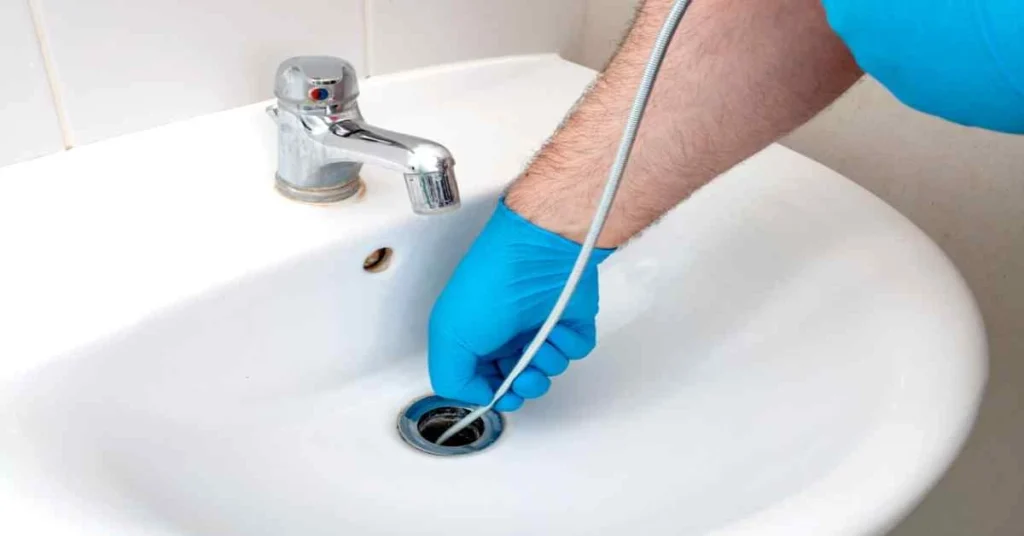
Once you have a clog, how do you clear it? There are a few approaches. For minor clogs, many people start with a plunger or a handheld drain snake. These can work for small, soft blockages in sinks or toilets. Even a simple home remedy like a vinegar-and-baking-soda flush can sometimes shift grease or soap gunk. However, these fixes often only tackle the symptom, not the root cause.
Professionals have more powerful tools:
- Hydro-jetting: A favourite in Bendigo because it’s environmentally friendly and thorough. High-pressure water jets scour the inside of pipes, blasting away grease, scale and even small tree roots. It restores full flow without harming healthy pipes.
Modern systems are adjustable so they don’t damage newer PVC pipes, but older clay or cast-iron lines should be assessed first. Hydro-jetting is a great way to protect pipes by cleaning them. - Mechanical Snaking/Auger: A plumber can run an electric drain snake (an auger) down your sewer to physically break up the clog. This is effective for many blockages, but if pipe walls are weak, it might scratch them. Still, for stubborn clogs in Bendigo homes, it’s a quick fix.
- Chemical Cleaners: Those green or blue store-bought drain liquids might sound handy, but experts caution against regular use. The Relining Company explicitly warns that chemical cleaners often “do more harm than good, corroding pipes and offering only a short-term fix”. They can weaken pipe seals and aren’t a sustainable solution for an aging pipe system. (Skip the acid; save it for lab experiments!)
- Camera Inspection: Before or after clearing, many plumbers use a CCTV camera to see exactly what’s causing the blockage. This high-tech approach ensures the clog is gone and helps catch hidden issues like cracks. It’s part of a proactive strategy to keep your sewer in tip-top shape.
No matter the method, the goal is the same: clear the clog thoroughly so water flows smoothly again. Regular clearing – even before a major clog happens – can be done by flushing pipes with water or scheduling annual inspections. These actions prevent the build-up that leads to damage in the first place.
DIY vs Professional Sewer Blockage Clearing
You might be tempted to save a buck and try clearing the drain yourself, and for minor kitchen sink or shower clogs, some DIY is fine. I once unclogged my bathroom with a simple hand snake while binge-watching Netflix – fast and free. But take this as a rule of thumb: serious blockages usually need a pro.
If you notice multiple drains slowing at once, or sewage smells, call a plumber. Trenchless Innovations suggests getting expert help early to avoid collapses. Licensed plumbers in Bendigo have experience and equipment to tackle the toughest clogs safely.
They also know local issues – for instance, they’ll check if Bendigo’s clay soil has shifted your lines or if local gum tree roots are a problem.
Meanwhile, if you do try a quick fix at home, do it gently:
- Don’t overdo the chemicals. As mentioned, caustic cleaners wear out pipes.
- Use a plunger or drain snake carefully. Only for small clogs in accessible drains.
- Flush with boiling water. After each oily wash, run hot tap water for a minute to keep grease from sticking. This simple habit can ward off slow-downs in the kitchen sink.
When in doubt, hire a local Bendigo plumber who specializes in sewer blockage clearing. They might be an unexpected expense now, but consider the alternative: a burst sewer line repair can cost thousands. Professionals can also install solutions like grate covers or filters to catch hair and debris, adding a layer of protection.
“Blocked drains can not go ignored as they can seriously damage your property,” notes Bendigo’s own plumbers. So while a quick fix is fine for a single stubborn sink, don’t let convenience cost you long-term. Clearing blockages promptly keeps your pipes (and your wallet) safe.
Preventing Blockages in the First Place
The best protection is prevention. Here are some Aussie-savvy tips to keep your drains clear before you need an emergency fix:
- Mind What You Flush: Only human waste and toilet paper belong in the loo. Put wipe products, cotton buds and kitchen scraps in the bin. Sydney Water even suggests composting or green bins for food waste instead of drains.
- Install Strainers: Sink or tub strainers catch hair, soap bits and food particles. Empty and clean them regularly so water can flow freely.
- Schedule Regular Check-ups: Especially if your house is older. Once a year, have a plumber camera-inspect your sewer line. Early detection means you can clear roots or minor cracks before they block the line.
- Watch Your Garden: Don’t plant thirsty trees too close to the house. Sydney Water lists eucalyptus and willows as offenders – their roots love drains. If you have existing trees near pipes, consider root barriers.
- Seasonal Maintenance: Bendigo’s autumn leaves and winter rains can clog gutters and outlets. Clean gutters and stormwater drains seasonally. Keep an eye on your outdoor drains after heavy rain – a pooling drain is a sign something might be blocked down the line.
A little routine can save a lot of hassle. Regular sewer blockage clearing (or even a quick DIY check) means you rarely have to worry. Your local council and water authority often post free advice on preventing blockages – for example, Sydney Water’s guide emphasizes not pouring fats and oils down the kitchen sink. Following such tips is a simple way to protect your Bendigo home.
Conclusion
At the end of the day, keeping your sewer clear is one of the smartest things you can do for your Bendigo home. Sewer Blockage Clearing in Bendigo isn’t just a service – it’s insurance for your property.
By dealing with clogs early, you avoid that midnight panic when the toilet overflows or a hidden crack turns your yard into a swamp. Regular clearing extends the life of your pipes, prevents moldy surprises, and saves you big on repairs.
Think of it like servicing a car: a quick check-up costs a fraction of a full engine rebuild later. If you notice gurgles or slow drains, don’t shrug them off.
Give your local plumber a call, or try safe DIY methods if it’s a small clog. And remember these key takeaways: dispose of fats properly, use strainers, and schedule inspections. Your drains work quietly in the background day and night – returning the favor by clearing blockages will keep them (and you) happy.
Ready to breathe easy and keep your drain flowing? Take a moment now to clear out any slow drains or book a professional check. Your future self will thank you when it’s dry, smooth sailing at home.
FAQs
What causes sewer blockages in Bendigo?
Common causes include kitchen grease buildup, flushed wipes or hygiene products, hair in bathroom drains, and invasive tree roots seeking moisture in old pipes.
How often should I get my drains cleaned?
Generally, have a professional inspect and clear your main sewer line every 1–2 years. In Bendigo’s climate (with seasonal rains and roots), that schedule helps catch issues before they worsen.
Is sewer blockage clearing expensive in Bendigo?
Routine clearing is affordable and saves money by preventing major repairs. The cost is minor compared to fixing broken pipes or flood damage. Think of it as maintenance, not a luxury.
What is hydro-jetting and is it safe?
Hydro-jetting is using high-pressure water to blast away clogs. It’s very effective for stubborn grease or root blockages. It’s safe when done by pros who adjust pressure for your pipe type.
Why does my drain smell even after cleaning?
Lingering smells might mean there’s still a small blockage or a leak. If you’ve cleaned visible gunk and it persists, it’s wise to get a plumber’s inspection – trapped gasses or hidden cracks can cause ongoing odours.

